
- Services
- Why Securafy
- Pricing
- Library
- Support Center
- Services
- Why Securafy
- Pricing
- Library
- Support Center
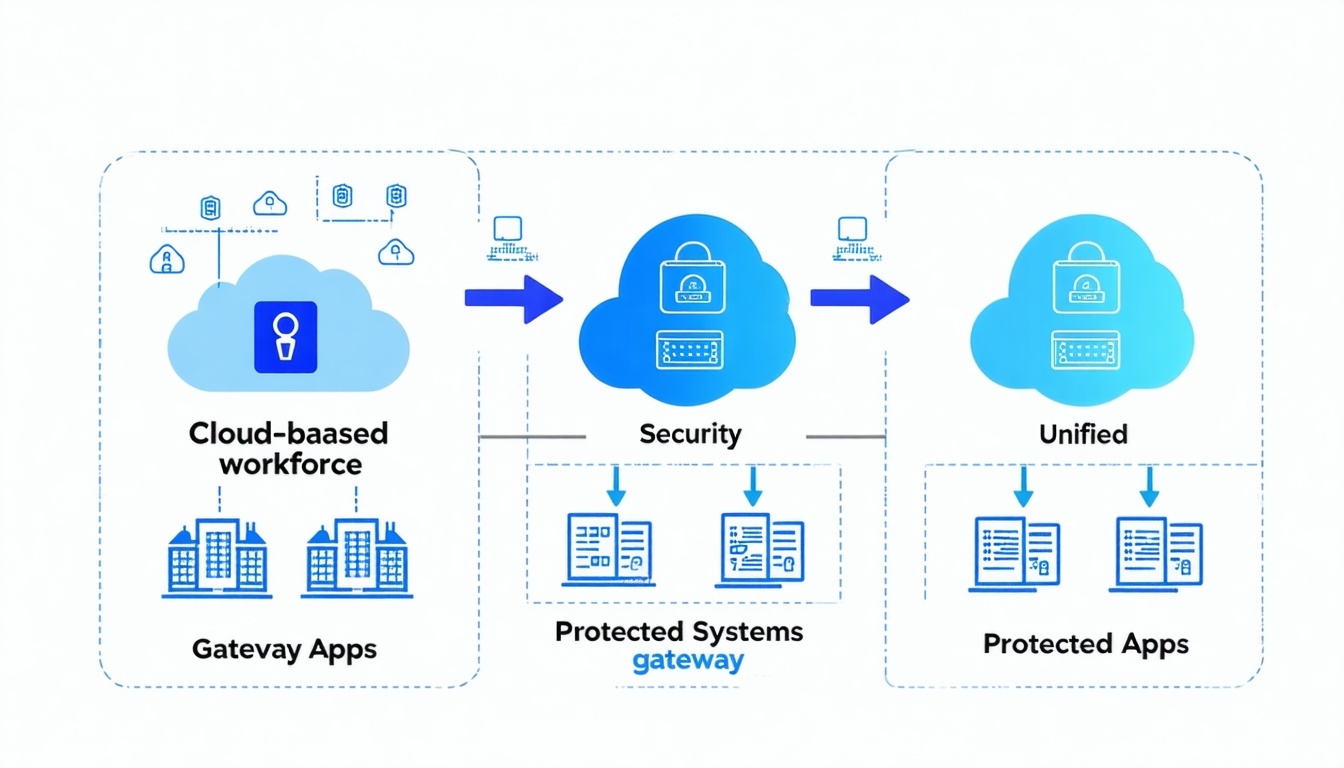
Modern work no longer lives inside a single network — and your security shouldn’t either. Securafy’s SASE solutions protect users, devices, and data everywhere work happens by combining network security and access control into one cloud-native model.
We help SMBs replace fragmented firewalls, VPNs, and point tools with a unified approach that’s simpler to manage, easier to scale, and built for hybrid and remote teams.

We rolled out a new password policy and accidentally locked out half our team, including me. Total facepalm moment!!
Support could’ve laughed (and maybe they did), but Randy and his team were in cleanup mode right away.
They helped us recover access, reset MFA across devices, and flagged a few other risky settings we hadn’t even touched.
Sorry Randy for the late review but here goes!
We had an SSL cert expire unexpectedly and suddenly half the team couldn’t access tools we rely on daily. It caused immediate chaos with emails bouncing, services blocked. We flagged it to Securafy and within minutes, they were already replacing it, verifying dependencies, and making sure nothing else broke. Lifesavers.
sometime last month our office network dropped across all floors. Phones went down the cloud drives inaccessible all projects stalled.
Randy's brilliant team remoted in, coordinated with our ISP, reconfigured backup routing and even walked someone through physical resets while staying on the line. you're never gonna get that kind of hands-on support remotely elsewhere!
I had a live webinar and completely forgot my admin login to the platform 15 minutes before it started. Total brain fog.
I messaged the Securafy team in a panic, and they had my access reset and working in less than five minutes.
It’s a tiny thing, but that kind of quick support in crunch moments makes a huge difference.
We had a traveling exec who needed a laptop, VPN, phone app, and email configured across multiple devices in under 48 hours.
Randy and the team shipped the hardware, preconfigured everything, even walked her through setup on a spotty hotel connection.
By the time her first meeting started, everything was working. Honestly don’t know how they pulled that off so smoothly.
I worked with too many vendors to know which ones are actually reliable. this team is really fast, chill w/ non-tech peeps like me, and got our patient intake system secured without making things a pain.
We feel safer and we trust em.
Weve been working with Securafy for a while now, and honestly, it’s the kind of tech support you stop thinking about and i mean that in the best way possible. Things just work. When they don’t, you barely have time to get frustrated before someone’s already looking into it.
catching issues before they turn into problems, helping out with quick fixes, or rolling out bigger updates with zero drama. just solid, steady support that you can count on. thanks Securafy!
Our old provider was hit or miss. We run events and bookings almost every day, and downtime just isn’t an option. They’re proactive and fixed our payment system latency.
Tom Bak was so great, fantastic service as usual ! Thanks Tom
Modern security isn’t about stacking more tools — it’s about enforcing protection everywhere work happens. Securafy’s SASE solutions unify access control, threat prevention, and visibility into a single cloud-native model that protects users, devices, and data without slowing your business down.

Traditional networks trust locations. SASE trusts identities. We secure every connection based on user identity, device posture, and access intent — ensuring employees, vendors, and partners only reach what they’re authorized to access, from any location.

All traffic is inspected before it reaches your systems. SASE enforces real-time protection through secure web gateways, DNS filtering, and cloud firewalls — stopping malware, phishing, and command-and-control traffic before damage occurs.

Centralized policies replace fragmented controls. Security rules, access logs, and enforcement decisions are managed in one platform — making it easier to support HIPAA, PCI, cyber insurance requirements, and audit readiness without manual overhead.

Every connection is verified before access is granted. SASE replaces location-based trust with identity-driven access, ensuring users, devices, and applications are authenticated and authorized every time—whether they’re in the office or remote.

Traffic is inspected before it reaches your environment. Web traffic, DNS requests, and application sessions are analyzed in real time to block malware, phishing attempts, and command-and-control activity—without relying on legacy perimeter defenses.

Security enforcement moves to the cloud. Firewall services, secure web gateways, and DNS filtering are delivered at the edge, reducing attack surface while improving performance for remote and hybrid teams.

Eliminate VPN risk and lateral movement. Users only see and access the applications they are explicitly allowed to use, limiting blast radius and preventing attackers from moving across your network if credentials are compromised.
At Securafy, Secure Access Service Edge is deployed, tuned, and governed by experienced engineers who understand real-world networks, not just diagrams.
We combine cloud-native security with human oversight, so your access controls stay resilient, your users stay productive, and your security posture stays enforceable as your environment evolves.

Every SASE deployment is architected and reviewed by security engineers. Access policies, identity rules, and traffic inspection aren’t left on autopilot. Our team continuously validates configurations to ensure performance, usability, and security stay aligned as your workforce changes.

One framework instead of disconnected tools. SASE replaces fragmented firewalls, VPNs, and web filters with a single, integrated security model — reducing complexity while closing gaps that attackers exploit in traditional perimeter designs.

Zero Trust enforced at every connection point. All traffic is authenticated, encrypted, and inspected before it reaches your systems. Users only access what they’re explicitly allowed to — limiting lateral movement and reducing breach impact.

Clear insight into who accessed what — and why. Every access request, policy decision, and enforcement action is logged and auditable. This visibility supports compliance reviews, incident investigations, and ongoing risk management without guesswork.
SASE is built on Zero Trust principles and continuous verification. Instead of relying on a fixed perimeter, security follows the user, the device, and the application — everywhere they work. Our approach embeds security and compliance directly into network access so protection is enforced automatically, not reactively.
Access is secured before traffic reaches your systems. All connections are authenticated, encrypted, and inspected in real time. Data stays protected across cloud apps, remote users, and on-prem resources — without exposing internal systems directly to the internet.
Access controls aligned to regulatory requirements. SASE policies support compliance frameworks such as HIPAA, PCI-DSS, and FTC Safeguards by enforcing least-privilege access, logging activity, and maintaining consistent controls across users and locations — even in remote and hybrid environments.
Clear visibility into who accessed what — and why. Every access request, policy decision, and enforcement action is logged and auditable. This creates a defensible access trail for security reviews, compliance audits, and incident investigations without relying on fragmented tools or manual tracking.