
Cyber threats are not a future problem—they are an immediate and growing risk to businesses of all sizes. The success of Cybersecurity: The Silent Battlefield reaching #1 best-seller status proves that more business owners are recognizing cybersecurity as a fundamental business priority. But awareness alone is not enough. The real question is: What steps are you taking to protect your company from cyber attacks, data breaches, and compliance failures?
Why Cybersecurity Is More Critical Than Ever
Cybercrime is escalating at an alarming rate. Small and mid-sized businesses (SMBs) are prime targets for cybercriminals because many lack the security measures needed to prevent attacks. A few statistics highlight the urgency:
-
Cybercrime is projected to cost businesses $10.5 trillion annually by 2025.
-
43% of cyber attacks target small businesses, yet only 14% are prepared to defend themselves.
-
60% of SMBs close within six months of a significant data breach.
-
Ransomware attacks increased 105% in 2023, with the average ransom payment exceeding $1.5 million.
A cyber attack can lead to financial loss, legal consequences, reputational damage, and operational downtime. Business owners who still see cybersecurity as an IT department issue are taking a dangerous gamble.
Compliance: The Missing Piece in Your Cybersecurity Puzzle
Many organizations think firewalls, antivirus software, and employee training are enough to secure their business. But one critical area is often overlooked—compliance with industry and government regulations.
In my chapter, Compliance: The Missing Piece in Your Cybersecurity Puzzle, I break down why compliance is not just about avoiding fines—it’s about building resilience and earning customer trust. Here’s why it matters:
-
Legal and Financial Risks: Non-compliance with frameworks like CMMC, NIST, PCI-DSS, HIPAA, and GDPR can result in massive fines, lawsuits, and loss of business partnerships.
-
Data Protection and Cybersecurity Standards: Regulations enforce structured security protocols, including multi-factor authentication (MFA), endpoint protection, and encrypted data storage, which significantly reduce the risk of cyber attacks.
-
Competitive Advantage: Companies that meet compliance standards demonstrate credibility and trustworthiness to customers, investors, and vendors.
-
Insurance and Liability: Many cyber insurance policies require compliance with security frameworks. Failing to meet those standards can result in denied claims after an attack.
The Most Common Cybersecurity and Compliance Mistakes Business Owners Make
Business leaders often underestimate their exposure to cyber threats. Here are some of the most common mistakes that put companies at risk:
-
Assuming Cyber Attacks Only Target Large Enterprises
-
SMBs are targeted more frequently because hackers know they often have weak security controls, outdated software, and fewer dedicated IT resources.
-
Many small businesses hold sensitive customer or financial data, making them attractive to cybercriminals.
-
-
Ignoring Compliance Until It’s Too Late
-
Many businesses only address compliance after they fail an audit or face legal trouble. This reactive approach leaves them vulnerable to fines and breaches.
-
Regulatory requirements are constantly evolving, and companies that fall behind risk non-compliance penalties.
-
-
Using Outdated Security Measures
-
Antivirus software alone is not enough. Businesses need endpoint detection and response (EDR), zero-trust architecture, and 24/7 threat monitoring.
-
Many organizations rely on weak password policies instead of enforcing multi-factor authentication (MFA) and password managers.
-
-
Failing to Train Employees on Cybersecurity Best Practices
-
90% of cyber attacks begin with phishing emails. Employees need ongoing cybersecurity awareness training to recognize suspicious activity.
-
Social engineering scams, such as CEO fraud and business email compromise (BEC), cost companies millions each year.
-
-
No Incident Response Plan
-
A cybersecurity breach is not a matter of “if” but “when.” Without a clear incident response plan, companies struggle to recover and minimize damage.
-
A strong incident response strategy includes data backups, forensic analysis, legal reporting procedures, and communication plans.
-
What Business Owners Should Do Now
The success of Cybersecurity: The Silent Battlefield reflects a shift in awareness, but now it’s time for action. Here’s what business leaders should prioritize:
-
Assess Your Cybersecurity Posture: Conduct a risk assessment to identify vulnerabilities in your systems.
-
Implement a Compliance Strategy: Stay up to date with CMMC, NIST, HIPAA, PCI-DSS, and any other regulations relevant to your industry.
-
Invest in Advanced Security Measures: Deploy firewalls, intrusion detection systems (IDS), endpoint security, and 24/7 monitoring.
-
Strengthen Employee Training: Hold regular cybersecurity awareness sessions to prevent phishing, social engineering, and insider threats.
-
Develop an Incident Response Plan: Test your response plan regularly to ensure quick recovery from cyber attacks.
Get the #1 Best-Selling Cybersecurity Guide
The overwhelming response to Cybersecurity: The Silent Battlefield shows that business owners are taking cybersecurity seriously. But reading about cybersecurity is not enough—action is what prevents financial loss, legal penalties, and reputational damage.
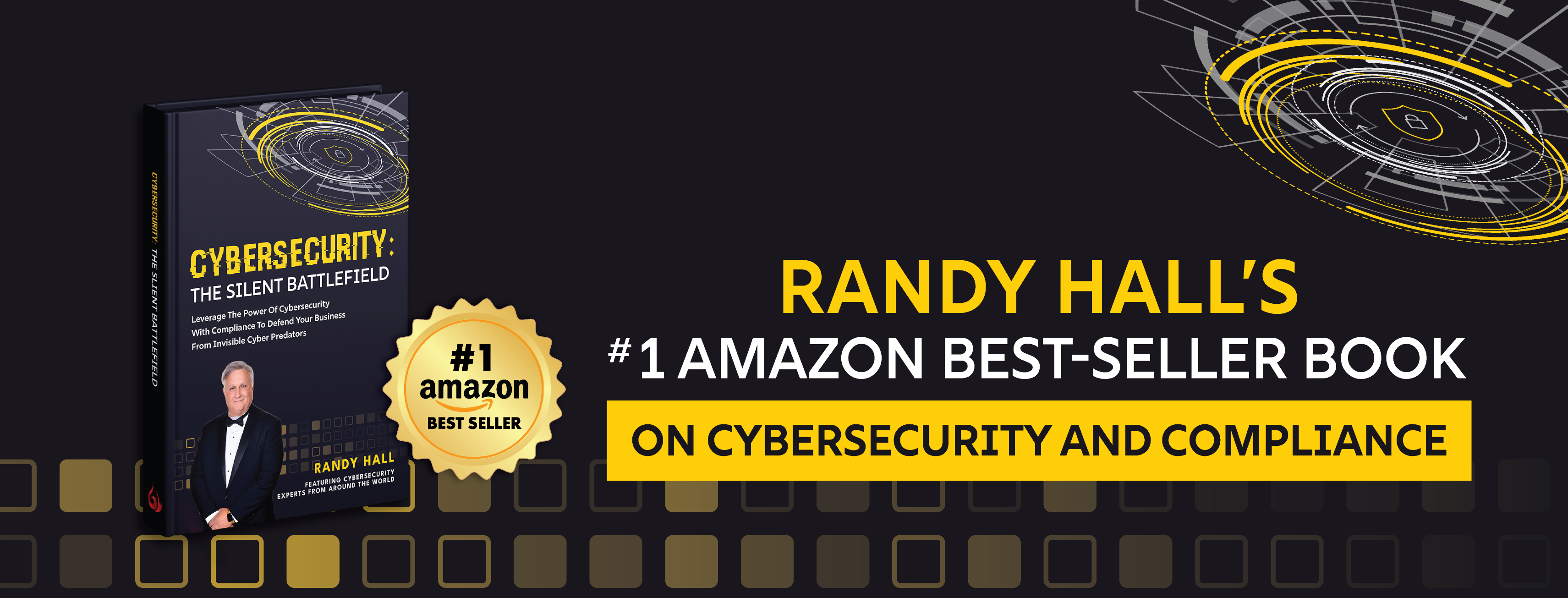
If you haven’t secured your copy yet, get it now and gain the knowledge needed to protect your business.
👉 Order Cybersecurity: The Silent Battlefield today!
Your business, your data, and your future depend on it.


Join the Conversation